Best Air Conditioner in Israel 2026: How to Choose the Right AC for Your Home
For most homes, the best air conditioner in Israel is a wall-mounted inverter split sized to the room: about ₪1,300–1,900 (NIS) for a 1–1.25 HP bedroom unit and about ₪2,800–3,300 for a 2 HP living-room unit, before installation. (Israeli stores size ACs in “horsepower”, koach sus, where 1 HP ≈ 9,000 BTU/h.) A mini-central system makes sense when you want to cool several rooms without units on every wall, and a portable AC is the fallback for renters or rooms where an outdoor unit can’t be installed.
This guide covers what actually changes the decision: AC type, capacity in HP and BTU, the new energy rating (SEER/SCOP), single-phase vs three-phase power, installation cost, Shabbat mode and importer warranty terms. We did not lab-test air conditioners: the comparison is based on official spec sheets, prices we saw on Israeli retailer sites in November 2026, and the warranty terms published by the importers.
The short answer
Air conditioners, November 2026- Wall-mounted inverter split
- 1–1.25 HP, about ₪1,250–1,900
- 2 HP, about ₪2,500–3,400
- About ₪800–1,400 up to 1.5 HP
- SEER for cooling, SCOP for heating
- 1–7 years, usually conditional on registration
- Available on most Tadiran and Electra models
Models worth checking
Picked on specs, Israeli importer warranty and shop prices in Israel in November 2026. We did not test them at home. Prices change, check before you buy.
Tadiran Air One INV 140
1 HP, 9,840 BTU cooling, A++ cooling, SEER 6.9, SCOP 3.8, Shabbat mode, WiFi
Why: According to the specs on the store site, you get an inverter with Shabbat mode and phone control at the price of a basic AC. The site shows a 5-year warranty badge.
Watch out: A heating SCOP of 3.8 is relatively low; if you’ll use it for heating in a Jerusalem winter, also compare models with a higher SCOP.
Electra Platinum INV 150
1 HP, 9,600 BTU cooling, SEER 7.3, SCOP 5.1, R32 refrigerant, indoor unit 37 dB at high speed, WiFi
Why: SEER 7.3 and SCOP 5.1 are among the highest figures we saw in the 1 HP category, so with heavy use the price difference pays back on the electricity bill.
Watch out: Shabbat mode isn’t mentioned on the product page we checked; if it matters to you, ask the seller or importer for confirmation.
Electra A Inverter 140
1.25 HP, 11,020 BTU cooling, A++ cooling, Shabbat mode, quiet night mode
Why: Per the specs, it delivers more BTU than 1 HP models at one of the lowest prices we saw for a major-brand inverter, with built-in Shabbat mode and a 5-year importer warranty badge.
Watch out: The product page lists neither decibel figures nor SEER; ask for the full spec sheet before comparing.
Electra Platinum INV 250
2 HP, 18,500 BTU cooling, SEER 7.3, SCOP 5.2, R32, single-phase, 16A type C breaker recommended
Why: High seasonal efficiency even at 2 HP, and per the specs it runs on a regular single-phase connection with a 16-amp breaker.
Watch out: The outdoor unit reaches 56 dB per the specs; place it away from bedroom windows.
Tornado SLIM SQ PRO INV 40 X 1PH
Mini-central, 36,170 BTU cooling, SEER 6.2, SCOP 4.0, A++, single-phase 230V
Why: Per the specs it runs on single-phase power, which saves upgrading the electrical connection in many apartments, and it comes with a 5-year importer warranty if activated within 30 days.
Watch out: Running current of about 16.6 amps in cooling: an electrician must confirm the panel and home connection can handle it alongside your other appliances.
Compare Air conditioners: 42 models
42 models out of 42
| Model | Power | Energy | Noise | Size (cm) | Shabbat | Price |
|---|---|---|---|---|---|---|
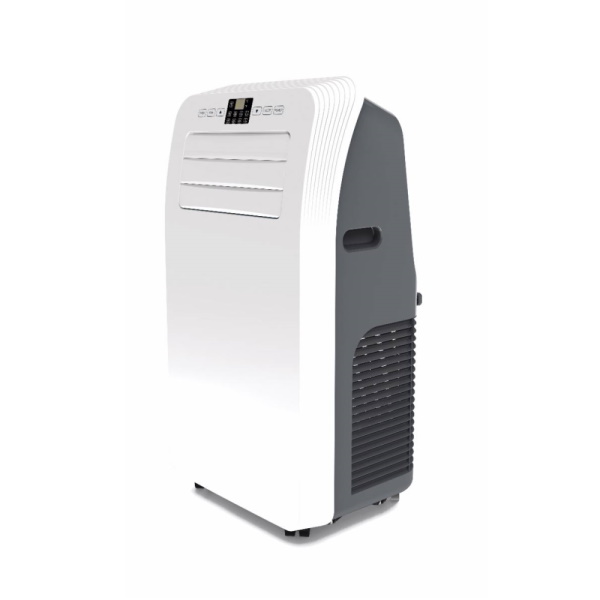 Tornado To Go 14 EUPortable | 1 HP | A | — | — | — | ₪1,249Lowest price we found |
 Tadiran Move Air 10NGPortable | 1 HP | A | — | 39.4×77×47 | — | ₪949Lowest price we found |
 Electra Relax Inverter 140Wall-mounted split | 1 HP | A++ | — | 71.5×28.5×19.4 | Yes | ₪990Lowest price we found |
| Electra Relax INV 170Wall-mounted split | 1.25 HP | A++ | — | 85×28.5×19.4 | Yes | ₪1,250Lowest price we found |
 Electra A Inverter 140Wall-mounted split | 1.25 HP | A++ | — | 71.5×28.5×19.4 | Yes | ₪1,328Lowest price we found |
 Tadiran Air One INV 140Wall-mounted split | 1 HP | A++ | — | 86.6×30.1×19.6 | Yes | ₪1,438Lowest price we found |
| Tadiran Solo 140 INVWall-mounted split | 1 HP | A++ | — | 77×25.1×19 | Yes | ₪1,450Lowest price we found |
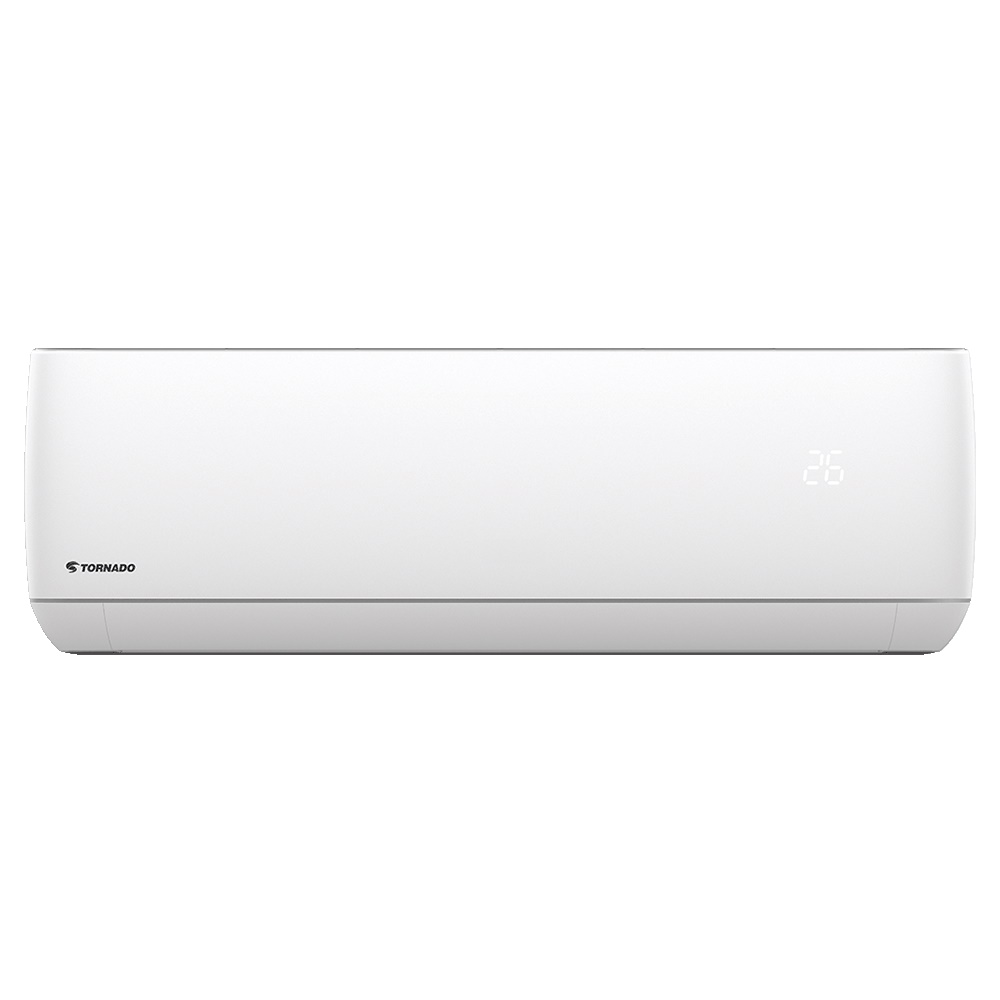 Tornado SMART INV 12 X WIFI EUWall-mounted split | 9,212 BTU | A++ | — | 79.2×29.2×20.1 | Yes | ₪1,650Lowest price we found |
 Tornado TO GO 20R EUPortable | 16,000 BTU | A | — | 47×80×40.4 | — | ₪1,398Lowest price we found |
| Normande ND17Portable | 1.25 HP | A | — | 41×68×35.8 | Certified | ₪1,590Lowest price we found |
 Tadiran Air One INV 180Wall-mounted split | 1.25 HP | A++ | — | — | Yes | ₪1,654Lowest price we found |
| Tornado TOP J INV 16 X WIFI EUWall-mounted split | 11,942 BTU | A++ | — | 79.2×29.2×20.1 | Yes | ₪1,699Lowest price we found |
| Electra Platinum INV 150Wall-mounted split | 1 HP | A++ | 37 dB | 72.9×29.2×20 | — | ₪1,849Lowest price we found |
 Family Force 25Portable | 2 HP | A | — | 45.3×80.6×42.7 | — | ₪1,990Lowest price we found |
| Electra Platinum INV 180Wall-mounted split | 1.25 HP | A++ | 40 dB | 80.2×29.5×20 | — | ₪2,049Lowest price we found |
 Electra Relax Inverter 240Wall-mounted split | 2 HP | A++ | — | 95.7×30.2×21.3 | Yes | ₪2,118Lowest price we found |
 Family Premium Inverter Wifi 25Wall-mounted split | 2 HP | A++ | 25 dB | 92×30.6×19.5 | — | ₪2,690Lowest price we found |
 Mitsubishi Heavy Industries SRK25ZSPWall-mounted split | 8,530 BTU | A | 23 dB | 78.3×26.7×21 | — | ₪1,990Lowest price we found |
| Tornado TOP J INV 18 X WIFI EUWall-mounted split | 15,013 BTU | A++ | — | 94×31.6×22.4 | Yes | ₪2,493Lowest price we found |
 Family Comfort Inverter 32Wall-mounted split | 2.5 HP | A++ | 28 dB | 101×31.5×22 | — | ₪2,790Lowest price we found |
| Tadiran Air One INV 240Wall-mounted split | 2 HP | A++ | — | 101×32.2×22.5 | Yes | ₪2,760Lowest price we found |
| Haier Harmony Inverter 28Wall-mounted split | 2.5 HP | A++ | — | 97.5×31.8×22.2 | Yes | ₪2,800Lowest price we found |
| Tadiran Alpha Pro INV 240NWall-mounted split | 2 HP | A++ | — | 101.7×30.4×22.1 | Yes | ₪3,171Lowest price we found |
| Electra Platinum INV 250Wall-mounted split | 2 HP | A++ | 40.5 dB | 97.1×32.1×22.8 | — | ₪3,290Lowest price we found |
| Mitsubishi Heavy Industries SRK45ZSPWall-mounted split | 15,354 BTU | A | 44 dB | 78.3×26.7×21 | — | ₪3,490Lowest price we found |
| Tadiran Air One INV 340Wall-mounted split | 2.5 HP | A++ | — | 112.6×34.3×23.2 | Yes | ₪3,550Lowest price we found |
| Electra Classic 390 INVWall-mounted split | 3.5 HP | A++ | — | 125.9×28.3× | Yes | ₪3,690Lowest price we found |
 Electra A Inverter 340Wall-mounted split | 2.5 HP | A++ | — | 104×32.7×22 | Yes | ₪3,089Lowest price we found |
| Tornado TOP J INV 30 X WIFI EUWall-mounted split | 23,543 BTU | A++ | — | 113.2×33×23 | Yes | ₪3,758Lowest price we found |
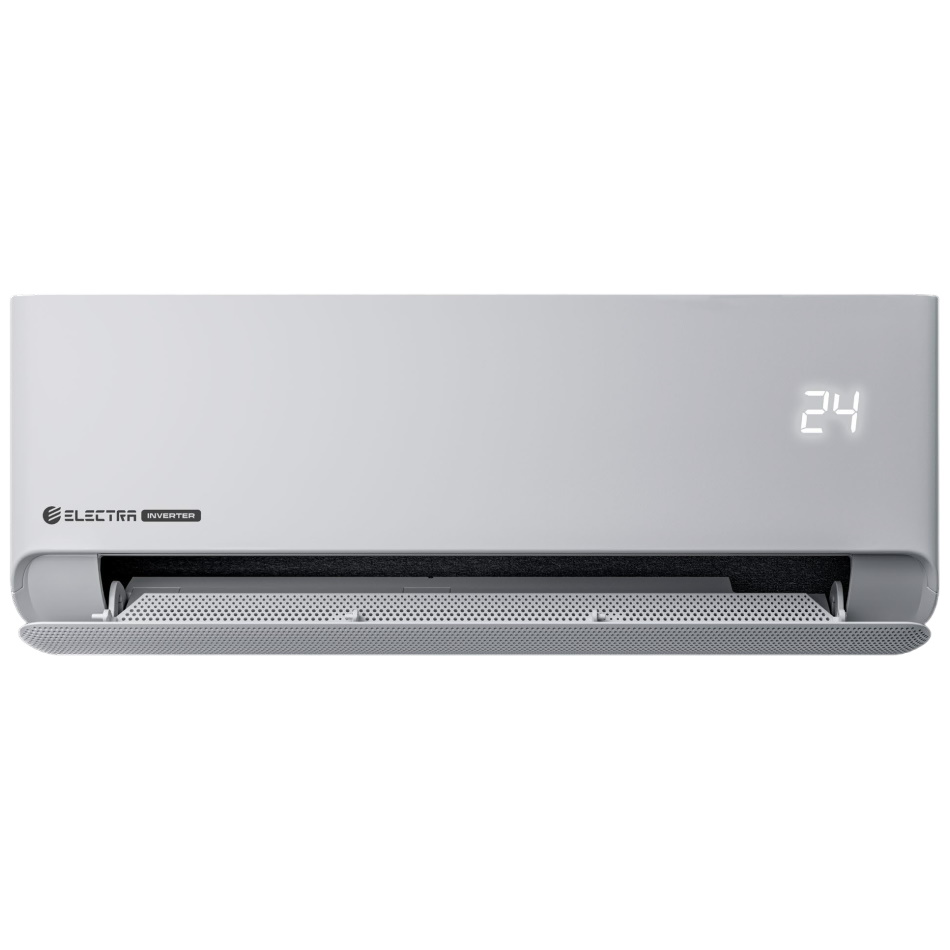 Electra AI INV 350Wall-mounted split | 2.5 HP | A++ | — | 103×33.8×23.8 | Yes | ₪4,390Lowest price we found |
| Haier Pro X Inverter 32/3PWall-mounted split | 3.5 HP | A++ | — | 110.5×× | — | ₪4,020Lowest price we found |
| Tadiran Alpha Pro INV 340NWall-mounted split | 2.5 HP | A++ | — | 113.5×32.8×24.7 | Yes | ₪4,284Lowest price we found |
| Tadiran Air One INV 370Wall-mounted split | 3.5 HP | A++ | — | 112.6×34.3×23.2 | Yes | ₪4,460Lowest price we found |
 Electra A Inverter 390Wall-mounted split | 3.5 HP | A++ | — | 125.9×× | Yes | ₪4,446Lowest price we found |
 Mitsubishi Heavy Industries SRK50ZS-SWall-mounted split | 17,060 BTU | A++ | 22 dB | 87×× | — | ₪4,479Lowest price we found |
| Family SLIM DUCT INV 50TMini-central (ducted) | 5 HP | A++ | — | 125×32×70 | — | ₪6,400Lowest price we found |
| Tornado SLIM SQ PRO INV 40 X 1PHMini-central (ducted) | 36,170 BTU | A++ | — | 125×32×73.5 | — | ₪6,590Lowest price we found |
| Electra EMD A SQ INV 35TMini-central (ducted) | 3.5 HP | A+ | — | — | Yes | ₪7,074Lowest price we found |
| Tadiran Alpha Pro Inverter 450Wall-mounted split | 4 HP | B | — | — | — | ₪7,099Lowest price we found |
| Hisense Galaxy Inverter 70Mini-central (ducted) | 6.5 HP | A++ | — | 130×35×80 | — | ₪8,610Lowest price we found |
| Electra EMD A SQ INV 65TMini-central (ducted) | 6.5 HP | A+ | — | — | Yes | ₪10,323Lowest price we found |
| Tadiran WAVE INV Silent Sense 50/3Mini-central (ducted) | 4.5 HP | A+ | 36 dB | 110×30×81 | Yes | ₪11,835Lowest price we found |
No model matches all filters. Try a higher price limit.
Data from manufacturer and shop pages; prices as seen in Israeli shops in November 2026. We did not test the appliances at home.
All Air conditioners in our database
Prices in Israel: Air conditioners
A bedroom or kids’ room used seasonally; you get a basic inverter, usually without WiFi and with lower efficiency figures.
Most families: SEER around 7, WiFi, Shabbat mode and quieter operation; this is the best value-for-money tier.
Living rooms, open-plan spaces and top floors; if you need to cool several rooms together, look at a mini-central AC instead of multiple wall units.
Price ranges seen in Israeli shops and price-comparison sites in November 2026, VAT included, usually without installation.
What to look at before buying
| What to check | What it is | Our recommendation |
|---|---|---|
| AC type | Wall-mounted split (indoor wall unit + outdoor unit), mini-central (a unit hidden in the ceiling with ducts to several rooms), portable (a unit on wheels with an exhaust hose) or VRF. | Wall split for a single room; mini-central for a 3–5 room apartment being renovated; portable only when a permanent installation is impossible. |
| Capacity (HP / BTU) | 1 HP equals roughly 9,000 BTU per hour. Capacity must match the floor area, ceiling height, sun exposure and floor level. | Rule of thumb of about 600 BTU per m² (≈56 BTU per sq ft): up to 15 m² 1 HP, 15–20 m² 1.5 HP, 20–30 m² 2 HP. On a top floor, add 10–20%. |
| Inverter | A compressor that varies its speed as needed instead of switching on and off. It saves electricity and keeps a steady temperature. | Buy inverter only. Nearly every wall unit in stores already is, but check that INV or Inverter appears in the model name. |
| Energy efficiency (SEER / SCOP) | SEER measures seasonal cooling efficiency and SCOP heating efficiency. Stores also show a letter rating (A++ etc.). | Compare SEER, not just the letter: among the 1 HP models we checked, SEER ranged from 6.9 to 7.3. For an AC that runs many hours, paying more for a higher SEER is worth it. |
| Noise | Measured in decibels (dB) for the indoor and outdoor units, at low and high fan speed. | For a bedroom, look for an indoor unit around 20–25 dB at low speed and under 40 dB at high speed; an outdoor unit under 55 dB if it sits near a neighbor’s window. |
| Electrical supply | ACs up to about 3.5 HP run on single-phase power. Many large and mini-central units also come in a three-phase version. | Check your apartment’s electrical connection before buying 4 HP or more. The unit needs a dedicated line and breaker per the manufacturer’s instructions, e.g. a 16A type C breaker for a 2 HP AC. |
| Warranty and service | The warranty is given by the official importer (yevuan rasmi) and is sometimes extended only after registration. The installation warranty comes from the installer. | Make sure it’s the official importer, register the warranty right after installation (Tadiran: within 60 days, Tornado: within 30 days) and keep the invoice. |
Which type of AC to choose: wall split, mini-central, portable or VRF?
For most Israeli apartments the answer is a wall-mounted inverter split in every room that needs cooling, and a mini-central AC only when you’re renovating and want to cool several rooms from one unit.
Here’s how the four types compare in practice:
- Wall-mounted split: an indoor unit on the wall and an outdoor unit. The cheapest to buy and install, and each room is controlled separately. At one chain we counted dozens of wall models from Tadiran, Electra, Family, Haier and Hisense, from ₪989 for 1 HP up to about ₪9,000 for a 4.5 HP three-phase unit.
- Mini-central AC: a single indoor unit hidden in a dropped ceiling, with ducts that distribute air to several rooms. It looks cleaner but requires drywall work, dampers and planning. Installation alone for a 3.5–7 HP unit costs about ₪4,000–5,500 according to a professional price list, before ducts and drywall.
- Portable AC: a unit on wheels with an exhaust hose out the window. No installer needed, but it’s noisier and less efficient. According to the specs of popular models, its COP is about 2.6.
- VRF and multi-split: one outdoor unit feeding several indoor units, each with its own control. This is the most expensive option and suits mainly private houses and large apartments.
In a 4-room apartment (Israelis count the living room, so that’s 3 bedrooms), two 1–1.25 HP wall units for the bedrooms plus a 2–2.5 HP unit for the living room usually cost less than one mini-central system, and they let you cool only the room you’re in. A mini-central AC pays off more when the family uses all rooms at the same time and when you’re lowering ceilings in a renovation anyway.
On mild days, when moving air is enough, a ceiling fan uses only tens of watts and can delay switching on the AC; it doesn’t lower the temperature, but it improves comfort.
Quick decision table:
- One bedroom or kids’ room: a 1–1.25 HP wall unit.
- Living room open to the kitchen: a 2–3 HP wall unit, or two smaller units at either end if the space is long.
- Apartment under renovation with dropped ceilings: mini-central for the rooms, sometimes a separate wall unit for the living room.
- Rented apartment without permission to install: a portable AC, with realistic expectations about noise and efficiency.
- Large private house: VRF or several mini-central systems, designed by an HVAC consultant.
How many horsepower do you need? Capacity by room size
The right capacity depends mainly on floor area: about 600 BTU per m² with a standard 2.5 m (8.2 ft) ceiling, meaning 1 HP for a room up to about 15 m² (160 sq ft) and 2 HP for a 20–30 m² (215–323 sq ft) living room.
According to the table published by the importer Tornado, the usual match is:
- Up to 15 m²: 1 HP, about 9,000 BTU
- 15–20 m²: 1.5 HP, about 13,500 BTU
- 20–30 m²: 2 HP, about 18,000 BTU
- 25–35 m²: 2.5 HP, about 22,500 BTU
- 30–40 m²: 3 HP, about 27,000 BTU
- 35–45 m²: 3.5 HP, about 31,500 BTU
- 40–55 m²: 4 HP, about 36,000 BTU
Tadiran’s capacity calculator is a bit stricter, at 650–700 BTU per m², so by its numbers 1 HP suits a room up to 12 m². What pushes you to the next size: a top floor under the roof (about 10–20% extra per Tadiran), a large window or west-facing façade (10–15% per Tornado), a ceiling above 3 m (about 10% per extra meter) and an open kitchen connected to the living room.
We gathered all these factors, including an interactive calculator, on a separate page: how many horsepower an AC needs for each room. There you’ll also find the difference between 1.25, 1.5 and 2.5 HP and when not to oversize.
A common mistake is buying by “HP” alone. Two ACs labeled 1.5 HP can differ by several thousand BTU. Always compare the cooling output in BTU on the spec sheet, and for a room connected to another space, calculate the area of the whole open space.
Energy rating, SEER and your electricity bill
To compare efficiency between ACs, look at SEER (cooling) and SCOP (heating): the higher the number, the less electricity the unit uses for the same amount of cooling or heating.
In Israeli stores you’ll currently see two kinds of labels. The Israeli energy-rating regulations for air conditioners (Energy Sources Regulations, 2004) rate with letters, where A is the most efficient. At the same time, following the European import reform, many new models are shown with a European-style rating (A++, A+ etc.) and with SEER and SCOP figures. On Zap (an Israeli price comparison site), for example, some models show a “previous energy rating” and say the European rating “will be updated soon”. On store product pages we also saw contradictions between the letter in the specs and the letter in the features table. So it’s better to compare the numbers themselves.
Examples from the spec sheets we checked:
- Electra Platinum INV 150 (1 HP): SEER 7.3, SCOP 5.1
- Tadiran Air One INV 140 (1 HP): SEER 6.9, SCOP 3.8
- Tadiran Alpha Pro INV 240N (2 HP): SEER 6.6, SCOP 4
- Electra Platinum INV 250 (2 HP): SEER 7.3, SCOP 5.2
The residential electricity rate from July 1, 2026 is 63.52 agorot per kWh including VAT. An illustration: an AC that draws an average of 0.5 kWh per hour and runs 8 hours a day uses 4 kWh, about ₪2.5 a day and about ₪76 a month. Actual consumption depends on insulation, the temperature you set and running hours. Every extra degree on the cooling setting (say 25°C instead of 23°C, i.e. 77°F instead of 73°F) reduces the load on the compressor.
A few habits that lower the bill without replacing the AC: close doors and windows in the cooled room, lower the shutters (trisim) on the west side in the afternoon, clean the filters every few weeks in season, and don’t buy an oversized unit. An AC that’s too big for the room reaches temperature quickly but removes less humidity and feels less comfortable. One that’s too small runs at full load for hours and can’t reach temperature during a heat wave (sharav).
Installation: prices, piping and what to check before the installer arrives
Basic installation of a wall split up to 1.5 HP costs about ₪800–1,400, and for 2–4 HP about ₪1,200–1,800, according to a professional price list that includes VAT and 3 meters of piping.
What’s usually priced separately:
- Extra piping: about ₪120 per meter up to 2 HP and about ₪150 per meter for larger units. Basic installation includes 2–3 meters.
- Hiding pipes in the wall: chiseling into block about ₪80 per meter, into concrete about ₪120 per meter.
- Crane: about ₪250 per hour when there’s no access to the outdoor unit location.
- Extending the drain hose: about ₪100 on average.
- Carrying without an elevator: about ₪200 per floor.
- Removing an old AC and drilling through concrete (e.g. in a mamad, the reinforced safe room): a few hundred shekels.
Before installation, make sure there’s a dedicated electrical point with a suitable breaker and that the installer knows the importer’s requirements. With some importers, the warranty is valid only if a certified installer does the job. The warranty on the installation itself comes from the installer, usually for a few years, not from the importer. Ask for it in writing.
If you rent and can’t drill or place an outdoor unit, a portable AC is the only option. Just remember it also needs an opening for the exhaust hose.
Where to place the units. Install the indoor unit on the long wall so the airflow doesn’t blow straight at the bed or sofa. Put the outdoor unit in a shaded, ventilated spot, not inside a fully enclosed AC niche (mistor). An outdoor unit that can’t release heat works harder and uses more electricity. In a shared building, check the building committee’s rules on unit placement and pipes on the façade in advance.
How long it takes. A standard wall-split installation usually takes a few hours. A mini-central AC with ducts and drywall is a project of several days that fits into the renovation schedule.
Electricity: single-phase, three-phase and breakers
Home ACs up to 3.5 HP almost always run on single-phase power. At 4 HP and above, and especially with mini-central units, you’ll also find three-phase versions, and that’s where it’s important to check your home’s electrical connection before buying. (Israel uses 230V/50Hz, so a US 110V unit would need a transformer.)
Examples from the spec sheets: the 2 HP Electra Platinum INV 250 runs on 220–240V single-phase, with a recommended 16A type C breaker. The Tornado SLIM SQ PRO INV 40 comes in a single-phase version (1PH) drawing about 16.6 amps in cooling, and a three-phase version (3PH). The 4.5 HP Tadiran WAVE INV Silent Sense 50/3 runs on 400V three-phase with a 3X16C breaker. Tadiran’s Alpha Pro series also has a 4.5 HP model in a single-phase version (45/1) and a three-phase version (45/3).
What this means in practice:
- In an apartment with a single-phase connection, one large AC can take a significant share of the available current. An electrician should check the total load, including the oven, dryer and induction cooktop.
- In a home with a three-phase connection, the three-phase version spreads the load across phases and is usually preferable for large ACs.
- Every AC needs its own line and breaker. Don’t plug an AC into a regular outlet with a power strip.
If you’re torn between a large wall unit and a mini-central AC, check your connection type first. Changing the electrical connection through the Israel Electric Corporation costs money and takes time.
Warning sign: if the breaker trips when the AC and oven run together, or the outlet near the AC heats up, stop using it. Call a licensed electrician to check the line, the breaker and the apartment’s connection. This is especially true in older buildings, where the panel was designed before homes had three or four ACs.
Importer warranty, service and parallel imports
AC warranties in Israel range from one to 7 years depending on the importer, the series and the AC type. In most cases the extra years are granted only after you actively register.
What we found with the major importers:
- Tadiran: 5–7 years on wall units for private customers depending on the series, provided you register the extended warranty within 60 days of purchase. Mini-central and VRF get 3 years. Multi inverter gets one year, plus two more for a one-time payment of ₪199. Business customers get only the first year.
- Tornado: the SLIM SQ PRO mini-central series lists a 5-year importer warranty, subject to activation within 30 days.
- Electra: on chain store product pages we saw both “one-year warranty” and a “5-year warranty” badge, depending on the model. Check the warranty terms of the specific model before buying.
Note that store product pages often show only the basic year, because the extra years depend on registration. Keep the invoice and the installer’s details. With a parallel-import AC (yevu makbil), the warranty comes from the parallel importer or the store, and availability of parts and technicians may differ. For an AC that should last 10 years or more, that’s a significant consideration.
A detailed comparison of the two big brands, including Tornado and other brands, is on our Tadiran vs Electra air conditioner page.
Before paying, ask the seller three questions: who is the official importer of the model, how many years of warranty you get and what you must do to get them, and whether installation is included and who warrants it. Written answers to these questions are worth more than any marketing feature.
Shabbat mode, WiFi and features that actually matter
If you keep Shabbat, Shabbat mode is the feature to check in advance, because not every model has it and it isn’t always mentioned on the product page.
On the product pages we checked, Shabbat mode is listed explicitly for the Tadiran Air One INV 140, Tadiran Alpha Pro INV 240N, Electra A Inverter 140 and Tadiran WAVE INV Silent Sense 50/3. It wasn’t mentioned on the Electra Platinum INV 150 page. If it’s critical for you, ask the seller for written confirmation or check the importer’s site for certification by a halachic institute.
Other features worth paying for:
- WiFi and phone control: lets you switch the AC on before you get home. Available on the Air One, Alpha Pro and Platinum.
- Quiet night mode: lowers the fan speed and gradually raises the temperature.
- R32 refrigerant: found on newer models, such as Electra’s Platinum series.
- Washable filters: on almost every model. Clean them every few weeks in season to maintain efficiency.
Features that matter less: “ionization”, “purification” and marketing names for sensors. Before paying extra for them, make sure the SEER, noise and warranty are good.
Maintenance and common faults. Most early-summer technician calls come down to three things: clogged filters that reduce airflow, a blocked drain hose that makes the indoor unit drip, and low refrigerant from a leak at the pipe joints. You can clean the filters yourself with water. Dripping and lack of cooling need a technician. If the AC is under warranty, contact the importer’s service, not a private technician, or you may lose the warranty. Before summer, run the AC for a few minutes to make sure it cools, so you don’t wait for a technician at peak season.
Remote and settings. In cooling mode, set 24–26°C (75–79°F) and automatic fan speed. In heating mode, 20–22°C (68–72°F) is enough for most homes. Dry mode is useful on humid days on the coast, when the temperature is reasonable but the air feels heavy. A sleep timer turns the AC off after a few hours and avoids running it needlessly until morning.
The bottom line
Recommended type for most homes: Wall-mounted inverter split. Bedroom 10–16 m² (108–172 sq ft): 1–1.25 HP, about ₪1,250–1,900.
Keep reading: portable air conditioner Israel, what size air conditioner do I need, 1 HP air conditioner Israel, portable AC without hose.
FAQ: best air conditioner in Israel
What is the best air conditioner to buy in Israel in 2026?
There’s no single model that fits everyone. For a bedroom, a 1–1.25 HP wall-mounted inverter with SEER around 7, Shabbat mode and an official-importer warranty is a good fit. For a 20–30 m² living room, a 2 HP unit. The model list above gathers examples sold in Israel today with their spec figures.
How much does an AC cost in Israel including installation?
A 1 HP wall-mounted inverter costs about ₪1,000–1,900 in stores, plus about ₪800–1,400 for basic installation. So a bedroom comes to about ₪2,000–3,300 in total. A 2 HP AC with installation reaches about ₪4,000–5,000. Extra piping, a crane or chiseling raise the price.
Which is better, a wall split or a mini-central AC?
A wall split is cheaper and lets you cool each room separately. A mini-central AC is hidden in the ceiling, quieter and more even, but needs drywall, ducts and dampers, and installation alone starts around ₪4,000. It pays off mainly in a renovation and in an apartment where most rooms are used at the same time.
How much electricity does an AC use per month?
It depends on capacity, efficiency (SEER) and running hours. At 63.52 agorot per kWh, an AC drawing an average of 0.5 kWh per hour for 8 hours a day costs about ₪76 a month. An AC with a higher SEER uses less for the same cooling.
Can a portable AC replace a wall-mounted split?
Only in a small room and as a temporary solution. A portable AC needs an exhaust hose to the window, is noisier inside the room, and the spec sheets of popular models show a COP of about 2.6, significantly lower than a wall-mounted inverter. It suits renters or rooms where an outdoor unit can’t be installed.
How long is the warranty on an AC in Israel?
Tadiran gives 5–7 years on wall units for private customers, provided you register within 60 days, and 3 years on mini-central. Tornado lists 5 years on mini-central subject to activation within 30 days. Electra varies by model. Stores sometimes show only one year, so check the importer’s terms.
What is SEER and why does it matter?
SEER is the seasonal energy efficiency ratio for cooling, i.e. how much cooling you get per unit of electricity over a season. SCOP is the equivalent for heating. Among the 1 HP models we checked, SEER ranged from 6.9 to 7.3. Comparing two ACs of the same capacity, a higher SEER means a lower electricity bill.
Do I need three-phase power for an AC?
Not for regular home ACs. Wall units up to about 3.5 HP, and even a mini-central like the Tornado SLIM SQ PRO INV 40 X 1PH, run on single-phase power. Models of 4.5 HP and up sometimes come in a three-phase version, and an electrician should check the total load.
When is the cheapest time to buy an AC in Israel?
AC prices change throughout the year and with chain-store promotions. In the hot season installers are also busier. Compare the price of the exact model at several stores, and check that the price includes delivery and that it comes from the official importer.
What’s the difference between Tadiran and Electra ACs?
Both brands sell a wide range of wall-mounted inverter ACs, from basic models to premium series with WiFi. The main differences are in the specific series: SEER, noise, Shabbat mode and warranty terms. A detailed comparison is on our Tadiran vs Electra air conditioner page.
More guides: Air conditioners
Related home guides
Sources we checked
- soferavi.co.il/קטגוריה/מזגנים-ומוצרי-אקלים/מזגנים/מזגן-עילי
- tornado-top.co.il/page?pageid=1345
- tadiran-group.co.il/guide_posts/%D7%A4%D7%A8%D7%A7-7
- pro.co.il/hvac-installation/pricing/small-overhead-ac-installations
- pro.co.il/hvac-installation/guide/how-much-does-it-cost-to-install-ac
- supermarker.themarker.com/bills/guides/electricity-tariff-2026
- zap.co.il/compmodels.aspx?modelid=1199286
- mizugi.co.il/%D7%9E%D7%90%D7%9E%D7%A8%D7%99%D7%9D/%D7%93%D7%99%D7%A8%D